Towing a vehicle safely requires skill, experience, and the right equipment. Weather conditions can significantly impact towing operations, creating additional risks for both the tow truck operator and other drivers on the road. Rain, snow, ice, wind, and extreme heat all require adjustments in technique, equipment, and safety measures. Understanding how weather affects towing can help drivers stay safe and ensure that vehicles are transported without damage.
Towing in Rain and Wet Conditions
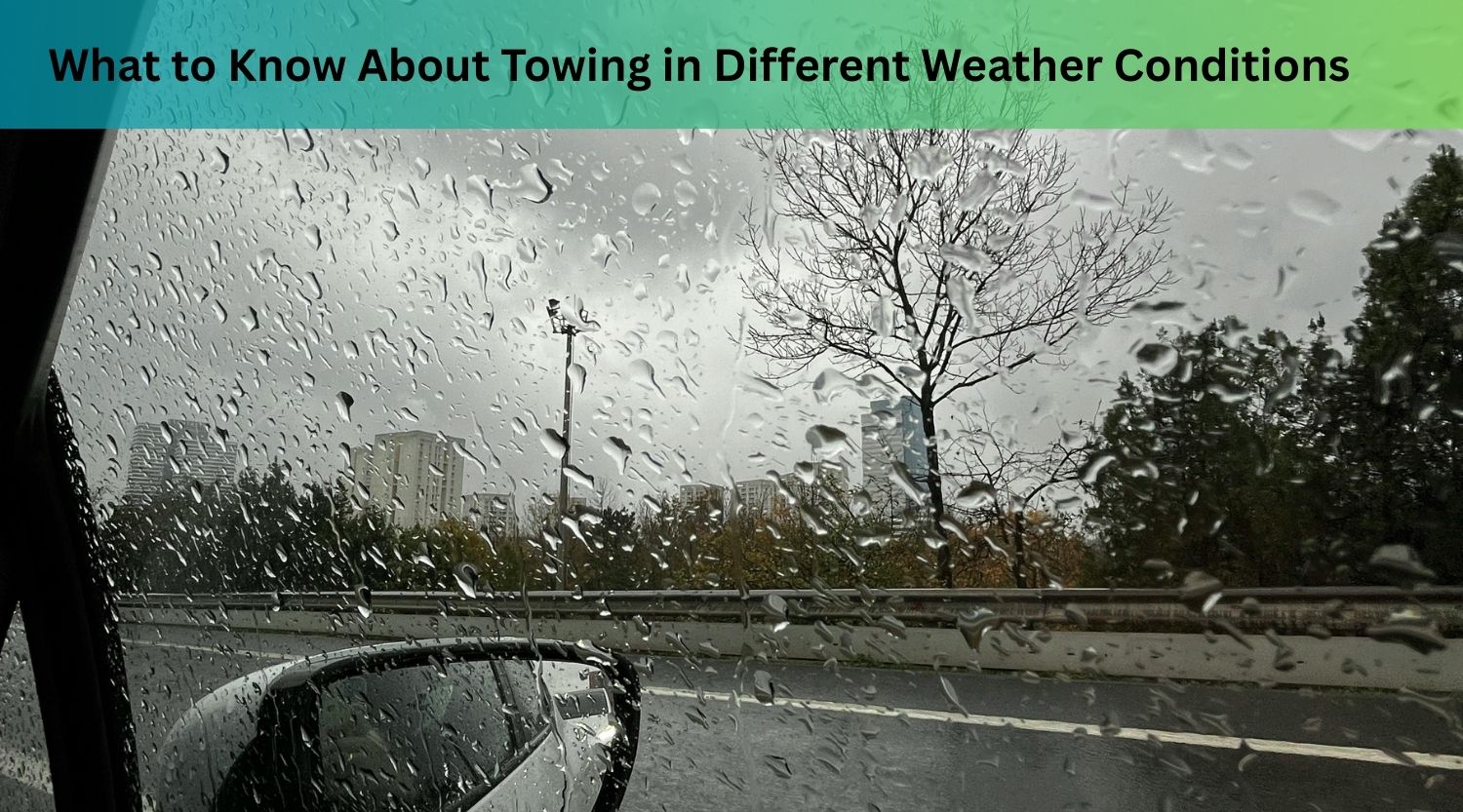
Rain and wet roads reduce tire traction, increase stopping distances, and make vehicles more prone to skidding. Tow truck operators must reduce speed, leave extra space between vehicles, and ensure that the car being towed is securely fastened. Hazard lights and warning signs are essential to alert other drivers to the presence of a slow-moving tow. Proper attention to wet conditions prevents accidents and ensures both the tow truck and the towed vehicle reach their destination safely.
Snow and Ice Towing Tips
Snow and ice present some of the most challenging conditions for towing. Tow operators must equip trucks with snow chains, winter tires, or other traction devices to maintain control. Flatbed towing is often preferred in icy conditions to prevent the wheels of the towed vehicle from slipping. Operators also drive at slower speeds, avoid sudden braking or turns, and plan routes to avoid steep inclines or untreated roads. Extra caution during winter towing is essential to protect the vehicle and ensure road safety.
Extreme Heat Considerations
High temperatures can affect both the tow truck and the vehicle being transported. Tow truck engines, tires, and hydraulic systems are at higher risk of overheating during long trips. Tow operators monitor equipment carefully and may reduce speed or take breaks to prevent damage. For the towed vehicle, heat can impact tire pressure and other components. Awareness and preparation help towing companies manage hot weather conditions effectively.
Wind and Storm Hazards
Strong winds can cause trailers or towed vehicles to sway, increasing the risk of accidents. Tow truck operators adjust driving techniques, reduce speed, and ensure that the load is evenly distributed and secured. Storms can also bring debris, falling branches, or flooding, which require tow operators to carefully plan routes and sometimes delay travel for safety. Training and experience in handling wind and storm hazards are critical to maintain control during adverse weather.
Operator Training and Equipment Adaptation
Professional towing companies invest in operator training and specialized equipment to manage different weather conditions safely. Operators are taught to adjust driving habits, secure loads properly, and use additional safety tools such as warning lights, cones, or reflective gear. Tow trucks may be fitted with advanced braking systems, traction control, and weather-appropriate tires. Proper preparation, skill, and equipment make towing in challenging weather conditions safer for everyone on the road.
Conclusion
Towing in various weather conditions requires careful planning, skill, and specialized equipment. Rain, snow, ice, wind, and heat all introduce unique risks that must be managed to prevent accidents and protect vehicles. Professional towing operators are trained to adjust techniques, secure vehicles, and use safety measures to ensure smooth transport. Understanding the impact of weather on towing helps drivers appreciate the complexity of the process and reinforces the importance of relying on experienced towing services for safe and efficient vehicle transport.
Recent Comments