How Wheel Lift Towing Works
Wheel lift towin26g is a method that uses a metal yoke attached to a hydraulic lift, which slides under either the front or rear wheels of the vehicle. The other two wheels remain in contact with the ground during towing. This method is quick and highly effective for short distances or situations where the vehicle is parked in tight spaces. Wheel lift trucks are lighter and more maneuverable than flatbeds, allowing operators to reach areas where larger trucks might struggle. In many cases, wheel lift towing is ideal for vehicles with minor mechanical issues that still roll freely on at least two wheels. It’s a popular choice for urban environments and municipal towing because of its speed and ease of use.
How Flatbed Towing Works
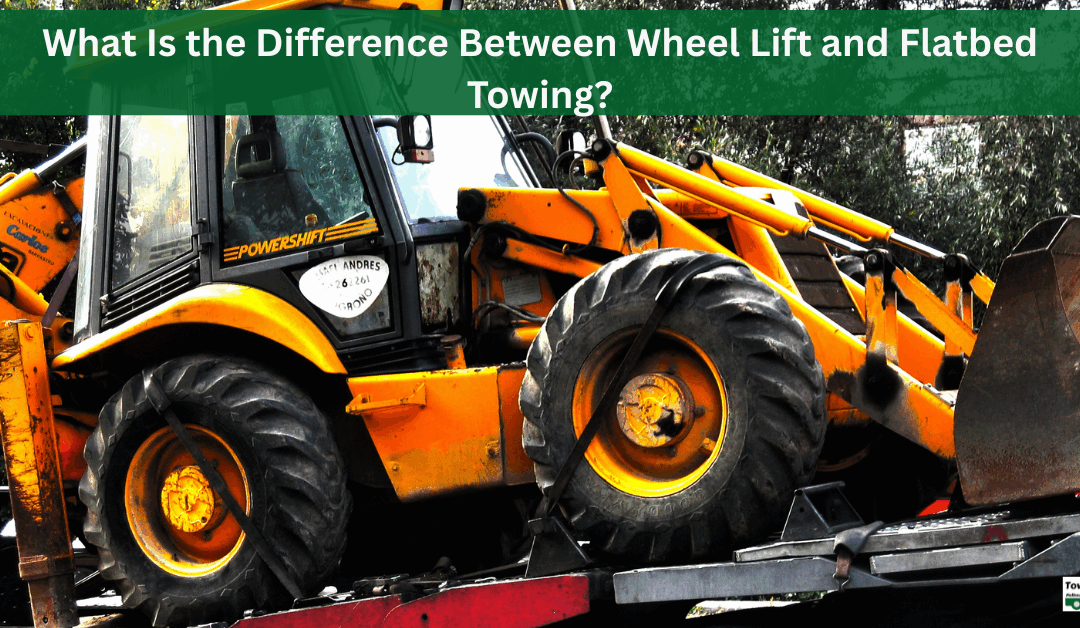
Flatbed towing involves a truck equipped with a long, flat platform that can be inclined and lowered to ground level using a hydraulic system. The vehicle is either driven or winched onto the platform, then securely strapped down for the journey. All four wheels of the towed vehicle are lifted off the road, which means there is no contact between the vehicle and the road surface during transport. This method is preferred for vehicles with severe damage, all-wheel drive systems, or those that cannot be towed safely by traditional means. Flatbed towing provides the most secure option for luxury, classic, and low-clearance vehicles, reducing the risk of transmission or undercarriage damage.
Vehicle Compatibility and Use Cases
Choosing between wheel lift and flatbed towing depends heavily on the type of vehicle and the specific situation. Wheel lift towing is generally suitable for front-wheel or rear-wheel-drive cars that are in relatively good condition and just need to be moved a short distance. It’s often used for illegally parked cars, roadside assistance, or quick recoveries from breakdowns. Flatbed towing, on the other hand, is recommended for vehicles with all-wheel drive or when the car has suffered significant mechanical failure. If the car has a locked transmission, damaged tires, or is non-drivable, a flatbed is the safer and more appropriate option. Towing professionals will assess the condition of your vehicle before deciding on the most suitable method.
Risks and Benefits of Each Method
Both towing methods have their pros and cons. Wheel lift towing is faster to set up and more cost-effective, but it poses a greater risk of damage to a vehicle’s bumper, drivetrain, or suspension if not handled carefully. There is also the potential for tire wear or misalignment if the vehicle is towed for long distances. Flatbed towing, while generally more expensive, eliminates these risks by lifting the vehicle entirely off the ground. This method offers superior protection, especially during longer trips or rough terrain. The trade-off is that flatbed trucks are larger, less maneuverable, and may take more time to position and load the vehicle, particularly in narrow spaces.
Choosing the Right Option for Your Needs
Understanding the difference between wheel lift and flatbed towing helps you make a more informed decision in the event of a breakdown or accident. If your vehicle is still operable and just needs short-distance towing, wheel lift service may be sufficient and more budget-friendly. However, if you own a luxury car, a vehicle with all-wheel drive, or one that has suffered substantial damage, investing in flatbed towing is the smarter and safer choice. When calling a towing company, provide as much detail as possible about your vehicle’s condition and type so they can dispatch the right truck. A professional towing operator will always prioritize the safety of your car and recommend the best method accordingly.
Contact us
Towing Melbourne Wide
4/10 Auburn Grove
Hawthorn East VIC 3123
(03) 9956 1908
www.towing-melbournewide.com.au
Recent Comments