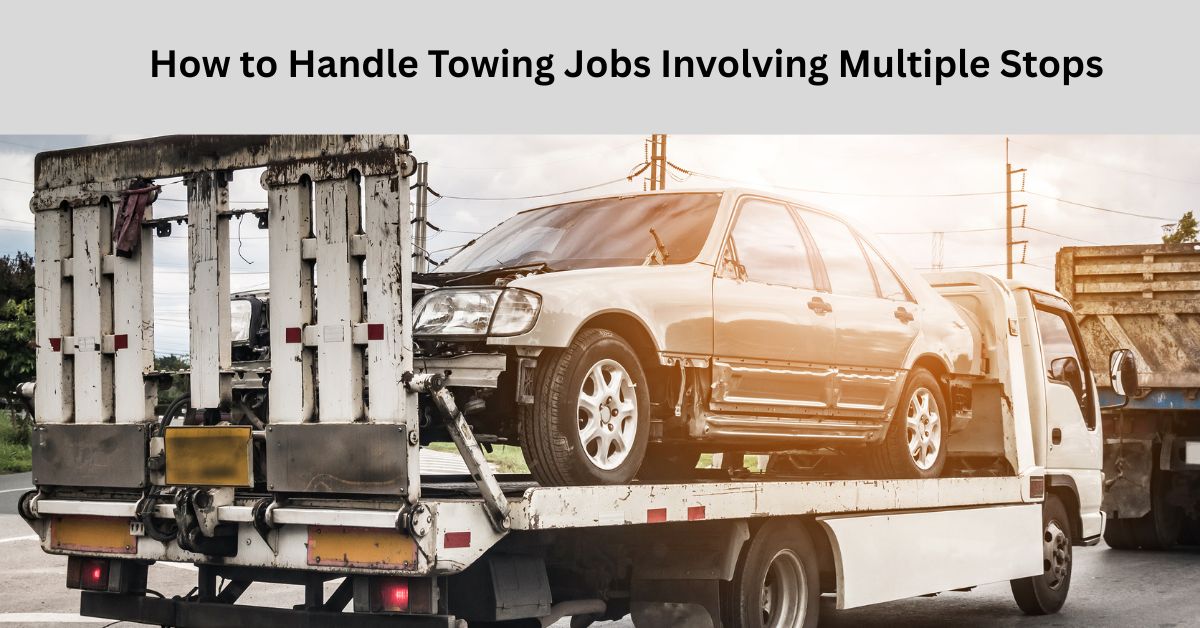
Towing jobs with multiple stops are increasingly common in the towing industry, particularly for fleet services, vehicle repossessions, or recovery operations across a city or region. Unlike standard single-vehicle tows, multi-stop jobs require careful planning, efficient routing, and effective communication to ensure each vehicle is handled safely and on schedule. Proper management of these operations is essential to maintain service quality, reduce downtime, and enhance customer satisfaction.
Planning the Route and Schedule
One of the most important aspects of multi-stop towing is detailed route planning. Operators must analyze the locations of all vehicles, traffic patterns, and road conditions to determine the most efficient sequence for pickups and deliveries. Efficient route planning reduces fuel consumption, minimizes travel time, and helps prevent delays.
Scheduling is also crucial. Operators should account for potential obstacles, such as high-traffic periods, restricted access areas, and specific customer requirements. Planning ensures that each stop is completed within the expected timeframe, providing reliability and professionalism to clients.
Preparing the Tow Truck and Equipment
Multi-stop towing requires thorough preparation of the tow truck and equipment. Tow trucks must be equipped to handle multiple vehicles, which may include using extended flatbeds, adjustable dollies, and secure tie-down systems. Ensuring all necessary tools are on board, including straps, chains, jacks, and safety equipment, is critical to avoid delays at each stop.
Operators should also inspect the tow truck before departure, checking tire pressure, fluid levels, and mechanical systems. A well-prepared tow truck reduces the likelihood of breakdowns during multi-stop operations and ensures the operator can handle any unexpected challenges efficiently.
Handling Vehicles Safely at Each Stop
Safety is paramount when dealing with multiple vehicles. Operators must follow proper procedures for loading, securing, and transporting each vehicle. Attention to detail is critical, as mistakes at one stop can affect the efficiency and safety of subsequent stops.
Operators should take care to inspect each vehicle for pre-existing damage, ensure proper tie-downs, and maintain clear communication with any staff or clients present. Safe handling not only prevents vehicle damage but also demonstrates professionalism, building trust with customers.
Communication and Coordination
Effective communication is a key component of successful multi-stop towing operations. Tow truck operators must stay in contact with dispatchers to receive updates on any changes or special instructions. Coordinating with clients or fleet managers ensures that vehicles are ready for pickup and that any requirements are met.
Technology such as GPS tracking, mobile apps, and real-time messaging can streamline communication. Operators can receive precise location data, estimated arrival times, and status updates, allowing for smoother coordination and increased efficiency across all stops.
Managing Time and Efficiency
Multi-stop towing can be time-consuming, so efficient management is essential. Operators should monitor progress, anticipate potential delays, and adapt routes or schedules as necessary. Tracking arrival and departure times helps maintain accountability and ensures that clients’ expectations are met.
Time management also involves prioritizing safety while maintaining efficiency. Operators must balance speed with careful handling, avoiding rushed procedures that could result in accidents or vehicle damage. A well-organized approach to multi-stop towing enhances service quality and reinforces the towing company’s reputation for reliability.
Conclusion
Towing jobs involving multiple stops require meticulous planning, proper equipment, safe handling, effective communication, and efficient time management. Tow truck operators who can manage these challenges successfully provide valuable services for clients, including fleet operators, repossession companies, and individuals requiring multiple vehicle recoveries. By focusing on preparation, safety, and coordination, towing companies can complete multi-stop operations smoothly, ensuring customer satisfaction and reinforcing their position as trusted providers in the industry.
Recent Comments