Understanding Different Towing Methods
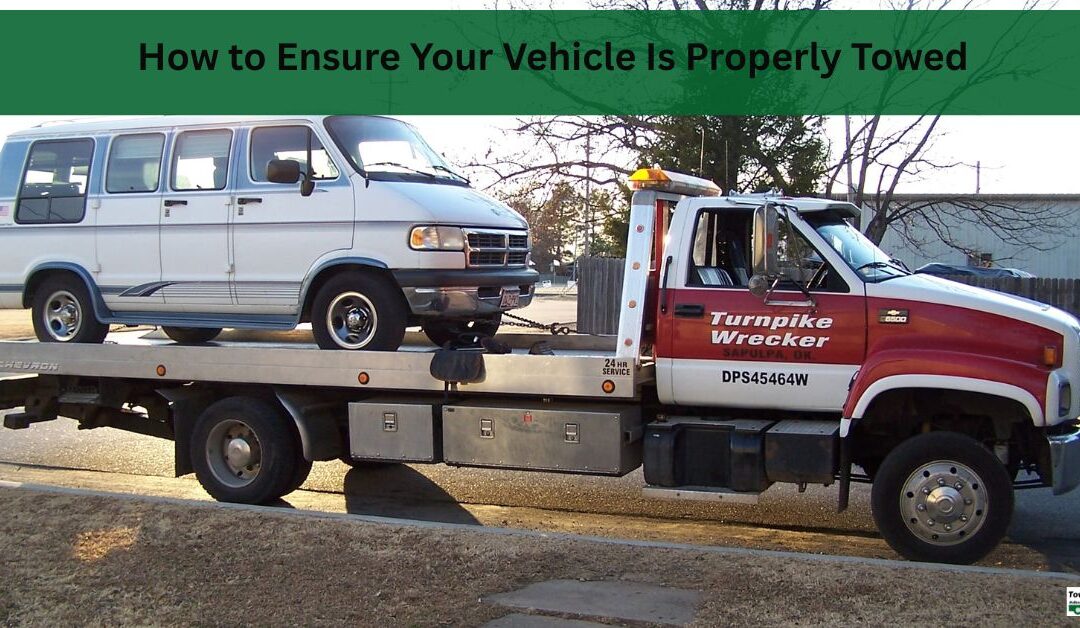
There are several towing methods, and understanding these is important to ensure your vehicle is towed safely. Flatbed towing, where your entire vehicle is lifted onto a flat platform, is widely regarded as the safest method, especially for modern cars with sensitive electronics. Hook and chain towing, once common, is less favored now because it can cause damage by dragging the vehicle. Wheel-lift towing uses a metal yoke to lift either the front or rear wheels off the ground while the other wheels remain on the road. Knowing which method suits your vehicle helps avoid unnecessary damage during transport.
Selecting the Right Tow Truck for Your Vehicle
Choosing the appropriate tow truck depends on your vehicle’s size, type, and condition. For small to medium cars, flatbed or wheel-lift trucks are typically suitable. Larger vehicles like trucks, SUVs, or vehicles with low clearance often require flatbeds or specialized heavy-duty tow trucks. If your vehicle is severely damaged or inoperable, flatbed towing is usually the best option to prevent further wear. Reliable towing companies will assess your vehicle’s needs and assign the correct truck, so it’s good to confirm this when you call.
Communicating Clearly with Your Tow Operator
Clear communication with the tow truck operator is essential to ensure your vehicle is handled properly. Inform the operator about any existing damage, whether your vehicle has a manual or automatic transmission, and if it has any modifications like lowered suspension or aftermarket parts. Let them know if your car has an alarm system or special features that may require attention. Providing accurate information allows the operator to prepare the correct equipment and take necessary precautions during the towing process.
Checking the Tow Truck’s Equipment and Credentials
Before your vehicle is loaded, it’s wise to check the tow truck’s condition and credentials. A well-maintained tow truck with modern equipment indicates professionalism and reduces the risk of accidents. Verify that the tow operator is licensed and insured to protect yourself legally. Don’t hesitate to ask for identification or company details if you’re unsure. Trustworthy towing companies prioritize customer safety and transparency and will gladly provide this information.
Inspecting Your Vehicle After Towing
Once your vehicle reaches its destination, carefully inspect it for any new damage. Take photos to document its condition immediately after towing. If you notice any scratches, dents, or mechanical issues that weren’t there before, report them to the towing company promptly. Keeping a record helps with insurance claims or disputes if damage occurred during transit. Properly conducted towing should leave your vehicle in the same condition it was before, so any new damage may require compensation or investigation.
Recent Comments