
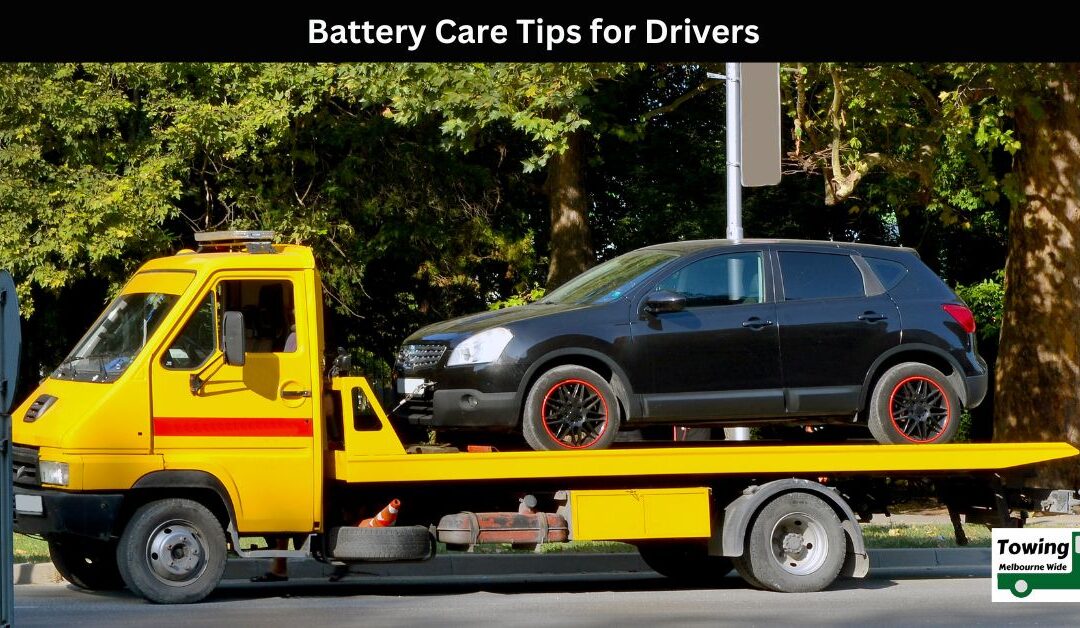
A healthy car battery is essential for reliable vehicle performance. It powers the ignition system, lights, electronics, and many other components. When the battery fails, your car won’t start, and you may end up needing roadside assistance or even towing. The good news is that most battery issues are preventable with simple care and regular attention.
Understanding proper battery maintenance helps you avoid unexpected breakdowns and keeps your vehicle running smoothly.
1. Know the Lifespan of Your Battery
Car batteries typically last between 2 to 5 years, depending on usage, weather conditions, and maintenance habits. Over time, the internal components wear out and the battery loses its ability to hold a charge.
Hot climates can shorten battery life by causing internal fluid evaporation, while cold weather reduces starting power. Frequent short trips also prevent the battery from fully recharging.
Knowing your battery’s age helps you plan ahead and replace it before it fails unexpectedly on the road.
2. Check Battery Condition Regularly
Routine inspection is one of the best ways to prevent battery failure. Look for signs such as slow engine starting, dim headlights, or dashboard warning lights.
Physically inspect the battery terminals for corrosion or white powder buildup. Corrosion can block electrical flow and affect performance.
Make sure the battery is securely mounted and the connections are tight. A loose battery can cause electrical interruptions while driving.
Regular checks help identify early warning signs before a complete breakdown occurs.
3. Avoid Leaving Electrical Systems On
One of the most common reasons for battery drain is leaving electrical systems on when the engine is off. This includes headlights, interior lights, radio, and charging ports.
Even small power drains can weaken the battery over time. Modern vehicles also have electronic systems that continue drawing power even when parked.
Developing a habit of switching everything off before leaving the car helps extend battery life and prevents unexpected dead battery situations.
4. Drive the Vehicle Frequently
Car batteries recharge while the engine is running. If a vehicle is left unused for long periods, the battery slowly loses charge.
Short trips are often not enough to fully recharge the battery, especially if multiple electronic systems are being used.
If you don’t drive often, start your vehicle regularly and let it run for a while to maintain battery charge. This is especially important for cars parked for extended periods.
Regular driving helps keep the battery active and healthy.
5. Replace the Battery Before It Fails
Waiting until the battery completely dies can leave you stranded and force you to call for a jump start or towing service.
Instead, replace the battery when it shows signs of weakening, such as slow starts or frequent need for recharging.
A preventive replacement is always safer and more cost-effective than dealing with an emergency breakdown.
Always choose a battery that matches your vehicle’s specifications for best performance and reliability.
Conclusion
Proper battery care is essential for avoiding unexpected vehicle breakdowns. By understanding battery lifespan, checking its condition regularly, avoiding unnecessary drain, driving the vehicle often, and replacing it on time, you can greatly reduce the risk of failure.
A well-maintained battery ensures reliable starting and smooth driving. Taking these simple steps helps you avoid roadside emergencies and keeps your vehicle dependable every day.
Contact us
Towing Melbourne Wide
4/10 Auburn Grove
Hawthorn East VIC 3123
(03) 9956 1908
Recent Comments