Breaking down on a highway can be a stressful and potentially dangerous situation for any driver. Highways are designed for fast-moving traffic, which means a stopped vehicle can create risks for both the driver and other motorists. Whether the issue is mechanical failure, a flat tire, or an overheated engine, knowing how to respond quickly and safely can make a major difference. Taking the right steps helps protect your safety, reduces traffic disruption, and ensures your vehicle receives the help it needs. Understanding what to do when your car breaks down on the highway will prepare you for unexpected situations and help you stay calm and in control.
Move Your Vehicle to a Safe Location
The first and most important step when your car breaks down on the highway is to move it to a safe location if possible. Highways are busy, and leaving a vehicle in an active lane can create a dangerous situation for everyone on the road. If your car still has some power, gently steer it toward the shoulder or an emergency stopping lane. Turning on your hazard lights immediately will alert other drivers that your vehicle is experiencing a problem.
Once you have safely pulled over, turn off the engine and engage the parking brake. If the breakdown occurs at night or during poor weather conditions, visibility becomes even more important. Keeping your hazard lights on helps other drivers notice your car from a distance and react accordingly. If you have reflective triangles or warning devices in your car, placing them a short distance behind your vehicle can also increase safety.
Moving your car away from active traffic lanes greatly reduces the risk of accidents. It gives you space to assess the situation while preventing further danger to other road users.
Assess the Situation and Identify the Problem
After stopping safely, take a moment to assess what might have caused the breakdown. While not every driver is mechanically experienced, identifying the general issue can help you decide what to do next. Common problems include overheating engines, flat tires, battery failure, or fuel shortages.
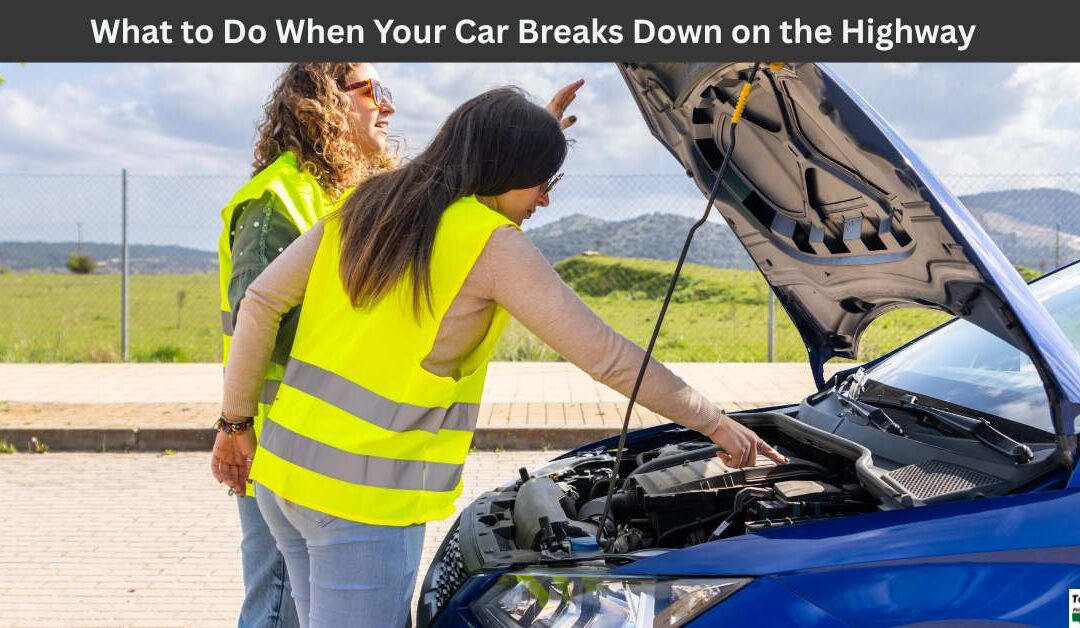
If your engine overheats, you may notice steam coming from under the hood or the temperature gauge rising rapidly. In this case, turning off the engine and allowing it to cool down is essential before attempting any further inspection. If the problem is a flat tire and you have the tools and knowledge to change it safely, you may be able to fix it yourself.
However, it is important to avoid attempting repairs that could place you in danger, especially on busy highways. Opening the hood or working near traffic can be risky if vehicles are passing at high speeds. In many cases, contacting roadside assistance or a towing service is the safest option.
Understanding the problem helps you communicate clearly with the towing operator or roadside assistance provider so they can bring the right equipment to help you.
Contact Roadside Assistance or a Tow Truck
Once you have identified the issue, the next step is to contact roadside assistance or a professional towing service. Many drivers have roadside assistance included in their insurance policies or vehicle warranties. These services can provide help with battery jump-starts, tire changes, fuel delivery, or towing if necessary.
When calling for help, provide clear information about your location, the type of vehicle you drive, and the issue you are experiencing. Highways can stretch for many miles, so giving landmarks, exit numbers, or nearby signs can help the service provider find you faster.
Professional towing companies are trained to handle highway breakdowns safely. Tow truck operators understand the risks associated with roadside work and use specialized equipment to load and transport vehicles efficiently. Their experience allows them to remove broken-down vehicles quickly, reducing the risk of accidents and restoring normal traffic flow.
Contacting professionals ensures that your vehicle receives proper care and that the situation is handled safely.
Stay Visible and Protect Yourself
While waiting for help to arrive, your safety should remain the top priority. Staying visible to other drivers is essential, especially on highways where vehicles travel at high speeds. Keeping your hazard lights on is a simple but effective way to alert approaching drivers.
If it is safe to do so, placing reflective warning triangles behind your vehicle can further improve visibility. These warning devices signal to other motorists that they need to slow down and move over.
In many cases, it is safest to exit the vehicle and move to a secure location away from traffic. Standing behind a guardrail or on a safe roadside area can reduce the risk of injury if another driver loses control. However, if leaving the vehicle is unsafe due to traffic conditions or weather, staying inside with your seatbelt fastened may be the better option.
Remaining calm and patient while waiting for assistance helps you make safer decisions and avoid unnecessary risks.
Prepare for Future Breakdowns
Although breakdowns cannot always be prevented, preparing for them can make the experience much easier to manage. Keeping an emergency kit in your vehicle is a smart step for every driver. Basic items such as a flashlight, reflective triangles, a phone charger, and a first aid kit can be extremely useful during roadside emergencies.
Regular vehicle maintenance is another important factor in preventing breakdowns. Checking your tire pressure, engine oil, coolant levels, and battery condition can help detect potential problems before they lead to roadside emergencies. Routine servicing also ensures that your vehicle remains reliable and safe for long-distance travel.
Drivers should also keep important contact numbers saved on their phones, including roadside assistance services and towing companies. Having these numbers ready saves valuable time during an emergency.
Preparing ahead of time gives drivers confidence and peace of mind when traveling on highways.
Conclusion
A car breakdown on the highway can happen unexpectedly, but knowing how to respond can make the situation much safer and less stressful. Moving the vehicle to a safe location, assessing the problem, contacting roadside assistance, and protecting yourself while waiting for help are all essential steps. These actions help reduce risks and ensure that the issue is handled efficiently.
Professional towing services play a crucial role in assisting drivers during highway emergencies. Their expertise and specialized equipment allow them to remove disabled vehicles safely while minimizing traffic disruption. By staying prepared and understanding the proper steps to take during a breakdown, drivers can handle roadside emergencies with confidence and keep themselves and others safe on the road.
Contact us
Towing Melbourne Wide
4/10 Auburn Grove
Hawthorn East VIC 3123
(03) 9956 1908
Recent Comments