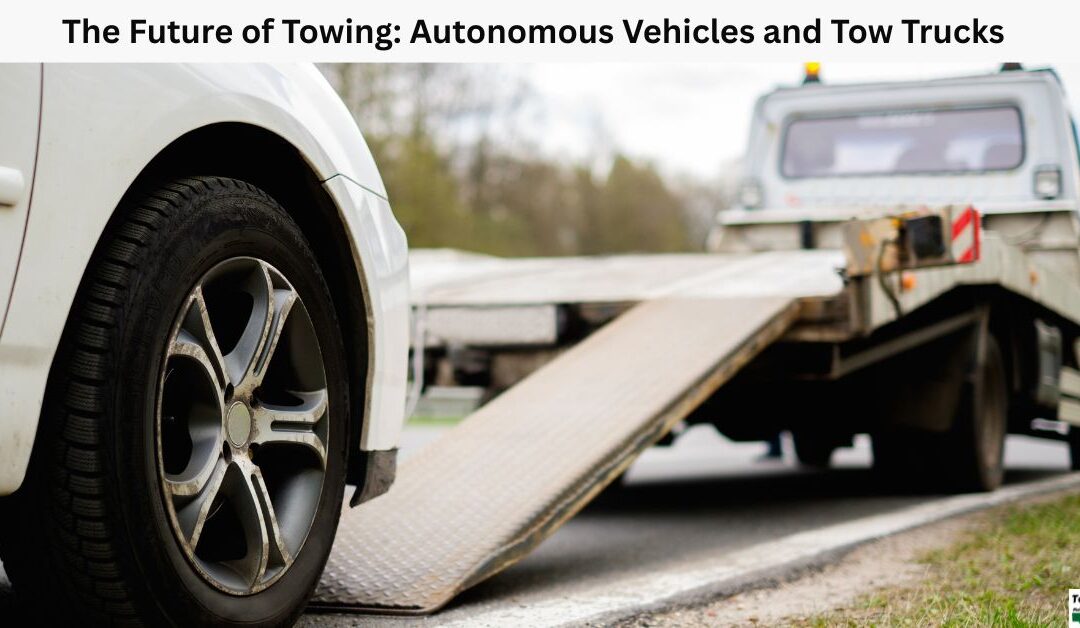
The transportation industry is experiencing rapid technological transformation, with automation, connectivity, and electrification reshaping how vehicles operate. As autonomous vehicles gradually enter public roads, the towing industry is also preparing for significant changes. Tow trucks will need to interact with self-driving systems, manage advanced vehicle electronics, and adopt new recovery techniques suited to emerging mobility technologies. The future of towing is expected to combine traditional recovery expertise with cutting-edge innovation, creating smarter, safer, and more efficient roadside assistance services.
The Rise of Autonomous Vehicles and Their Impact
Autonomous vehicles are designed to operate with minimal or no human intervention, relying on sensors, cameras, radar, and artificial intelligence to navigate roads. While these vehicles promise improved safety and convenience, they also introduce new challenges for roadside assistance providers. Self-driving cars may encounter technical failures, software errors, battery issues, or sensor malfunctions that require towing support.
Unlike conventional vehicles, autonomous systems often include complex electronic controls that must be handled carefully during recovery. Tow operators will need to understand how to place vehicles into transport mode, deactivate automated features, and ensure sensors are protected during loading. As autonomous vehicle adoption increases, towing professionals will play a vital role in supporting this new mobility ecosystem.
Smart Connectivity Between Vehicles and Tow Trucks
One of the most exciting developments in future towing is enhanced connectivity. Autonomous and connected vehicles can communicate diagnostic information in real time, allowing roadside assistance providers to receive alerts when a vehicle experiences problems. This connectivity can automatically request towing services, transmit location data, and share vehicle condition reports.
Smart communication systems may allow tow trucks to arrive prepared with appropriate equipment before reaching the scene. For example, knowing whether a vehicle has a battery failure, software issue, or mechanical problem can help operators plan the safest recovery approach. Connected infrastructure may also enable tow trucks to coordinate with traffic management systems to ensure safe vehicle removal without disrupting traffic flow.
This level of digital integration is expected to reduce response times, improve service accuracy, and enhance overall customer experience.
Automation in Tow Truck Operations
Automation is not limited to passenger vehicles; tow trucks themselves are expected to incorporate automated features. Advanced driver assistance systems, automated braking, lane-keeping technology, and collision avoidance features are already being integrated into commercial vehicles, including tow trucks.
Future tow trucks may include automated loading mechanisms that use sensors and cameras to guide wheel lifts or flatbeds into precise positions. Remote-controlled winches and robotic attachment systems could reduce manual labor and improve safety during recovery operations. These technologies may also help operators work more efficiently in hazardous environments such as busy highways or adverse weather conditions.
Automation will likely complement, rather than replace, skilled tow operators by enhancing precision, reducing risk, and improving operational consistency.
Electric Vehicles and Charging-Related Towing Needs
The growing adoption of electric vehicles (EVs) represents another major factor shaping the future of towing. EVs introduce unique challenges, including battery depletion, specialized towing procedures, and high-voltage safety considerations. Tow operators must understand manufacturer guidelines to prevent drivetrain damage or electrical hazards during transport.
Battery-related incidents, such as vehicles running out of charge far from charging stations, may become a common reason for towing requests. Some towing companies are exploring mobile charging solutions that provide temporary power to stranded EVs, potentially reducing the need for full towing in certain cases.
Additionally, electric tow trucks are being developed to support sustainable operations. These vehicles can reduce emissions and noise pollution while aligning towing services with broader environmental goals. The combination of EV transport needs and electric tow truck adoption will play a significant role in the industry’s future evolution.
Training and Industry Adaptation for Future Technologies
As vehicle technology advances, towing professionals will require ongoing training and education to remain effective. Handling autonomous systems, high-voltage components, advanced sensors, and connected vehicle platforms demands specialized knowledge beyond traditional mechanical skills.
Training programs may focus on safe shutdown procedures for autonomous vehicles, proper EV handling techniques, digital diagnostic tools, and cybersecurity awareness. Tow operators will also need to understand how to interact with automated safety features that could interfere with loading or transport.
Industry standards and regulations are expected to evolve alongside these technologies, guiding safe practices for recovering next-generation vehicles. Collaboration between automakers, technology providers, and towing organizations will be essential to establish consistent procedures and ensure smooth integration of new mobility solutions.
Conclusion
The future of towing is closely linked to the broader transformation of transportation technology. Autonomous vehicles, connected systems, automation, and electric mobility are all reshaping how roadside assistance will be delivered. Tow trucks of the future will likely feature advanced automation, digital communication capabilities, and environmentally friendly designs, while operators will require new skills to manage increasingly complex vehicles. Despite these changes, the fundamental role of towing services remains unchanged: providing reliable assistance when vehicles cannot continue their journey. By embracing innovation and adapting to emerging technologies, the towing industry is well positioned to remain an essential component of tomorrow’s mobility landscape.
Contact us
Towing Melbourne Wide
4/10 Auburn Grove
Hawthorn East VIC 3123
(03) 9956 1908
www.towing-melbournewide.com.au
Recent Comments