Arrival at the Towing Destination
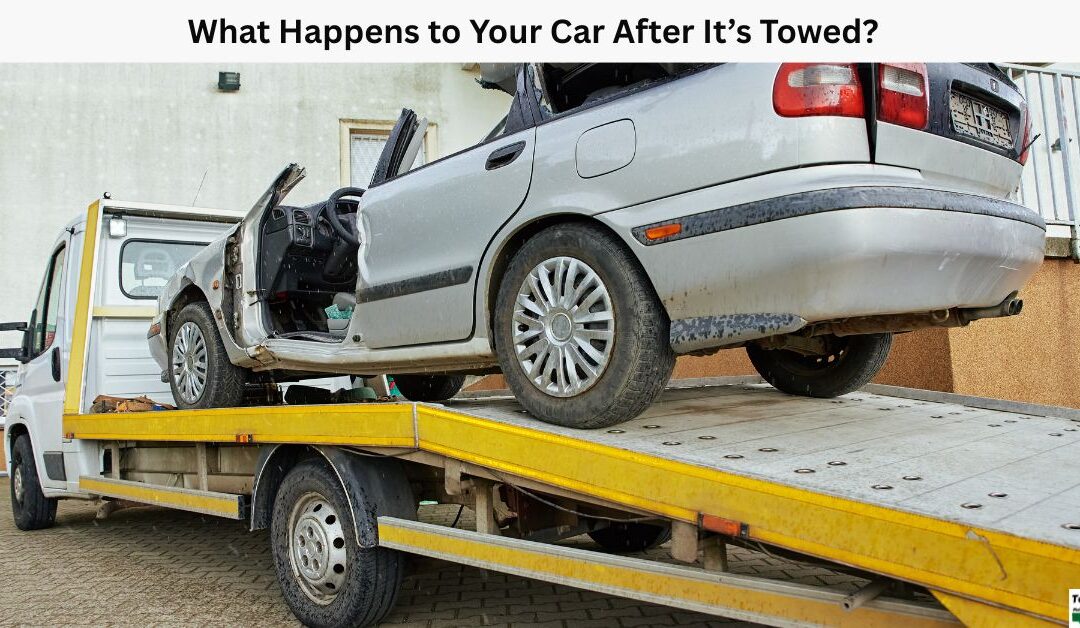
Once your vehicle has been safely loaded onto a tow truck and transported from the breakdown or incident location, the first step is arrival at its designated destination. This destination depends on the reason for towing. If your vehicle experienced a mechanical failure, it is typically taken to a repair shop of your choice or one recommended by the towing company. In accident situations, vehicles may be transported to collision repair centers where damage assessments can be performed. When law enforcement orders the tow due to parking violations or accidents, the vehicle is usually taken to an impound yard.
During arrival, tow truck operators carefully unload the vehicle using ramps, hydraulic systems, or wheel-lift mechanisms. Professional operators follow procedures that prevent additional damage during unloading. They ensure proper positioning, secure parking, and documentation of the vehicle’s condition. This step is important because it establishes the vehicle’s state upon delivery and protects both the towing company and vehicle owner from disputes regarding damage.
Depending on the destination, vehicle keys may be handed over to repair technicians, storage facility staff, or retained according to policy. Documentation such as towing receipts, drop-off records, and condition reports are often generated at this stage, creating a formal record of the completed transport.
Inspection and Condition Documentation
After unloading, an inspection process typically occurs. This inspection serves several purposes, including confirming existing damage, identifying new issues, and documenting the vehicle’s overall condition. Tow operators or facility staff may visually examine the exterior for dents, scratches, broken glass, or structural damage. Interior checks may also occur if necessary, particularly when the vehicle was involved in an accident.
Photographs are frequently taken to create a time-stamped record. This documentation protects all parties by providing evidence of the vehicle’s state at the moment it entered storage or repair custody. Insurance companies often rely on this information when processing claims, especially in collision scenarios.
In repair facilities, technicians may conduct preliminary mechanical assessments to determine why the vehicle required towing. They may check engine components, battery condition, fluid levels, and visible mechanical failures. While this is not always a full diagnostic process, it helps establish the next steps for repairs and provides owners with an initial understanding of potential issues.
For impounded vehicles, inspection focuses more on inventory and security. Personal belongings inside the vehicle may be noted, and procedures are followed to ensure items remain intact during storage. This stage reinforces accountability and helps avoid misunderstandings when owners retrieve their vehicles later.
Storage Procedures and Security Measures
If your vehicle is not immediately repaired or collected, it will typically be placed in a storage area. Storage facilities can vary widely, from open lots to secure indoor garages. Regardless of the environment, towing companies and storage operators implement measures to protect vehicles from theft, vandalism, and environmental damage.
Vehicles are parked in designated spaces to allow easy identification and retrieval. Many facilities maintain organized layouts with numbered spots, digital inventory systems, or barcode tracking. Security features such as surveillance cameras, perimeter fencing, gated access, and on-site staff are common, particularly for impound yards handling large volumes of vehicles.
Storage fees may apply depending on circumstances. Insurance-related tows may have coverage for storage costs for a limited period, while impounded vehicles typically incur daily charges until release. Understanding these policies is important for vehicle owners, as prolonged storage can increase expenses significantly.
Environmental considerations are also taken into account. Facilities may position vehicles to prevent fluid leaks from affecting surrounding cars, and weather protection measures may be used in areas prone to extreme conditions. These practices help maintain vehicle integrity while it remains in storage.
Repair, Insurance, and Administrative Processes
For vehicles delivered to repair centers, the next phase involves diagnostics and repair planning. Technicians perform detailed inspections using specialized equipment to identify mechanical or structural issues. They may dismantle damaged areas, run computer diagnostics, and assess parts availability before preparing a repair estimate.
Insurance involvement often begins at this stage. Adjusters may visit the repair facility or review digital reports to determine claim eligibility and coverage limits. Communication between repair shops, insurers, and vehicle owners helps finalize repair approvals, timelines, and cost responsibilities. If the vehicle is deemed repairable, work proceeds according to the approved plan.
In some cases, vehicles are declared total losses when repair costs exceed their value. When this occurs, insurers may arrange vehicle removal from the repair facility to salvage yards. Owners are then guided through settlement procedures, which may include transferring ownership documentation.
Administrative processes also include billing for towing services, storage fees, and repair costs. Clear records ensure transparency and allow vehicle owners to understand each component of the overall expense. Maintaining copies of all documents is advisable for future reference and potential disputes.
Vehicle Retrieval and Release Procedures
The final stage after towing involves retrieving your vehicle. Retrieval procedures vary based on where the vehicle was taken. For repair facilities, owners are notified when repairs are complete and can schedule pickup. Payment for services is typically required before release unless covered directly by insurance.
For vehicles stored at towing yards or impound facilities, owners must provide identification, proof of ownership, and any required documentation from authorities. Payment of towing and storage fees is usually necessary before the vehicle is released. Some impound scenarios may also require clearance from law enforcement agencies.
Upon retrieval, owners should inspect their vehicle carefully. Checking for new damage, confirming personal belongings, and reviewing repair work ensures satisfaction before leaving the facility. Addressing concerns immediately allows staff to resolve issues promptly.
Once released, vehicle owners can resume normal use or continue with additional repairs if needed. The towing process, though often stressful, ultimately serves as a structured system that protects vehicles, supports repairs, and ensures safe management following breakdowns or incidents.
Conclusion
The journey of a vehicle does not end when it is towed away from the roadside. Instead, it enters a structured process involving transportation, inspection, storage, and potential repair or administrative handling. Each stage is designed to protect the vehicle, document its condition, and facilitate necessary actions such as repairs, insurance claims, or legal compliance. Understanding what happens after towing can help vehicle owners navigate the experience with confidence, anticipate costs, and take appropriate steps for retrieval. With professional towing services and organized facility procedures, vehicles are managed safely and efficiently until they are ready to return to the road.
Contact us
Towing Melbourne Wide
4/10 Auburn Grove
Hawthorn East VIC 3123
(03) 9956 1908
www.towing-melbournewide.com.au
Recent Comments