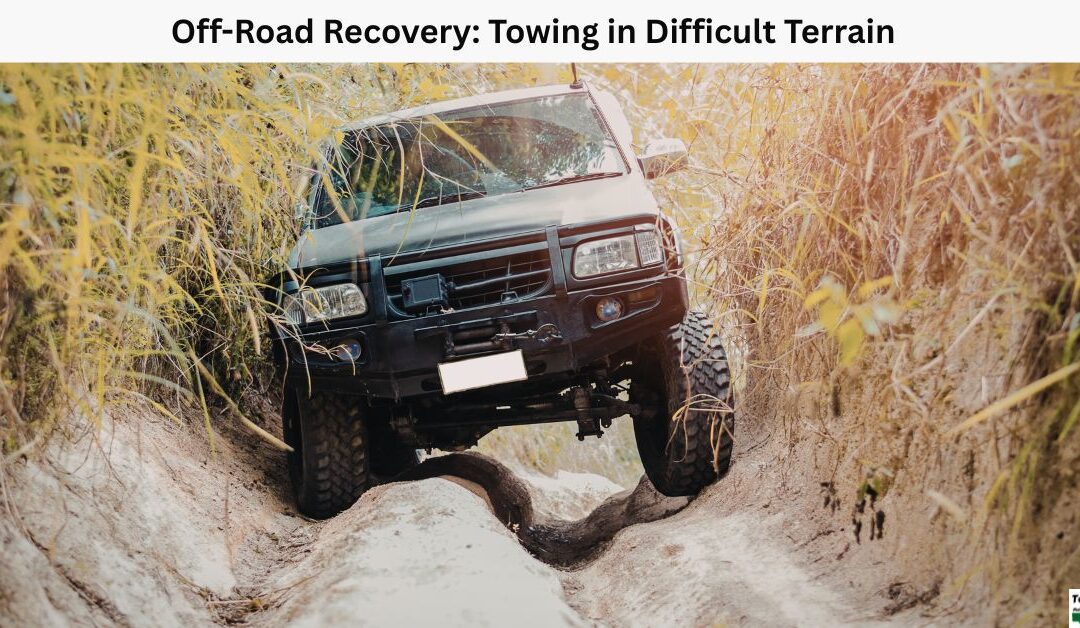
Vehicles can easily become stranded when traveling beyond paved roads. Mud, sand, rocky paths, steep slopes, and remote trails all present unique challenges that standard towing methods cannot handle. Off-road recovery is a specialized area of towing that focuses on safely retrieving vehicles from difficult terrain while protecting both the vehicle and the environment. Understanding how off-road recovery works highlights the skill, equipment, and planning required for these complex operations.
The Challenges of Difficult Terrain
Off-road environments create conditions that make vehicle recovery more complicated than typical roadside towing. Mud and sand can trap tires and cause vehicles to sink, while rocky surfaces may damage suspension components or create unstable recovery points. Steep inclines and uneven ground increase the risk of rollovers during recovery attempts.
Remote locations also pose challenges such as limited accessibility, poor communication signals, and lack of nearby assistance. These factors require tow operators to carefully assess each situation before beginning recovery. Proper planning ensures safety and prevents further complications.
Specialized Equipment Used in Off-Road Recovery
Off-road recovery requires equipment designed to handle harsh conditions. Heavy-duty winches are commonly used to pull vehicles from mud, sand, or ditches when direct towing is not possible. Recovery straps, shackles, traction boards, and snatch blocks help distribute force safely and prevent damage.
Four-wheel-drive recovery vehicles are often used to reach stranded cars in remote areas. These vehicles are equipped with high ground clearance, reinforced bumpers, and powerful recovery systems. The use of specialized equipment ensures that vehicles can be retrieved without causing additional harm.
Skilled Techniques for Safe Vehicle Extraction
Off-road recovery is not simply about pulling a vehicle free; it requires precise techniques and experience. Tow operators must identify secure recovery points on the stranded vehicle and choose the safest pulling angle. Incorrect attachment or excessive force can damage the vehicle’s frame or components.
Operators may use gradual winching, controlled pulls, or multiple anchor points to stabilize the recovery process. In some situations, debris removal or ground reinforcement is necessary before extraction can begin. These techniques highlight the importance of professional expertise in off-road towing operations.
Protecting the Vehicle During Recovery
Vehicles stuck off-road are already at risk of damage from terrain and environmental factors. Professional recovery services prioritize minimizing additional harm during extraction. Soft straps and proper rigging prevent scratches or structural damage that chains or improper hooks could cause.
Slow and controlled recovery reduces stress on suspension, drivetrain, and body components. Once freed, vehicles are often transported via flatbed tow trucks to prevent further wear from driving on damaged terrain. This careful approach protects the vehicle’s condition and repair prospects.
Safety Considerations for Drivers and Operators
Safety is a major concern during off-road recovery operations. Unstable ground, shifting vehicles, and tensioned recovery lines can create hazards for both drivers and operators. Professional tow teams establish safety zones, use protective gear, and maintain clear communication throughout the process.
Drivers are typically advised to remain at a safe distance while recovery takes place. These safety measures reduce the risk of injury and ensure that recovery is completed without incident.
Conclusion
Off-road recovery is a specialized towing service that requires advanced equipment, technical skill, and careful planning. Difficult terrain presents unique challenges that demand professional handling to safely extract stranded vehicles. Through the use of specialized tools, experienced techniques, and strong safety practices, off-road recovery services provide essential support for drivers who venture beyond paved roads. Their expertise ensures vehicles are recovered efficiently while minimizing damage and risk.
Contact us
Towing Melbourne Wide
4/10 Auburn Grove
Hawthorn East VIC 3123
(03) 9956 1908
www.towing-melbournewide.com.au
Recent Comments