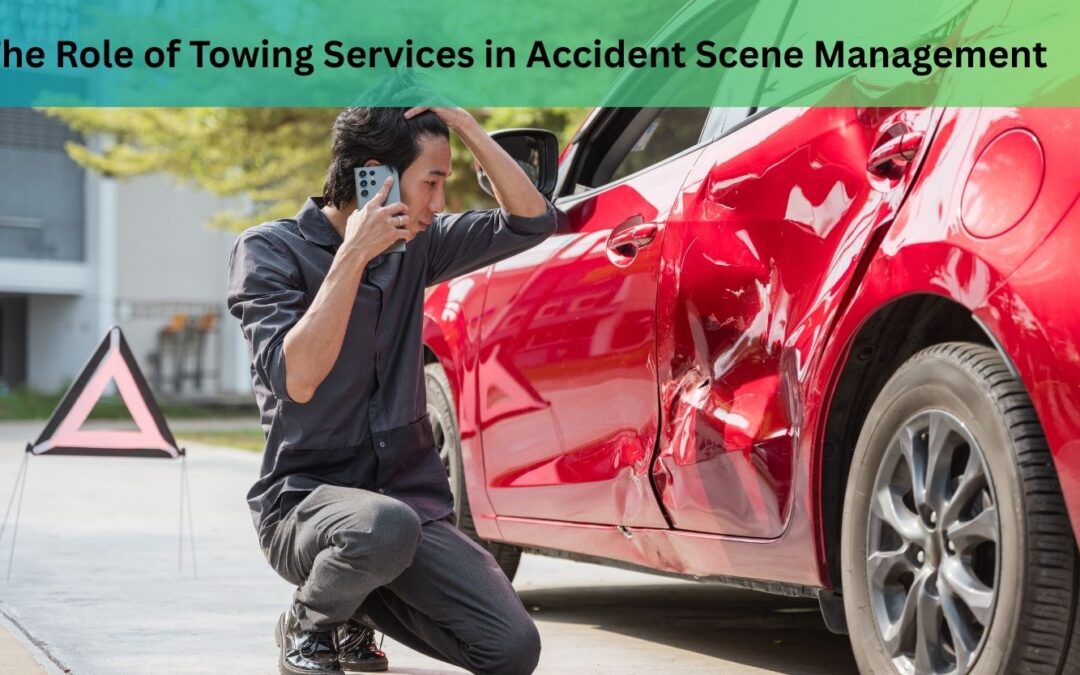
Accidents on the road can be stressful and dangerous. Besides the immediate risk of injury, crashed vehicles often block lanes, create traffic jams, and increase the chance of secondary collisions. Towing services play a critical role in managing accident scenes. By quickly removing vehicles and coordinating with emergency teams, they help restore safety, reduce congestion, and ensure that drivers and passengers can receive timely assistance.
Responding Quickly to Accidents
When an accident occurs, time is critical. Towing services are often among the first responders after police and medical teams. Rapid arrival is essential to prevent long traffic delays and reduce the risk of additional accidents. Tow operators can quickly assess the situation, determine the type of tow required, and begin vehicle removal safely. This fast response minimizes the disruption caused by the accident and ensures that emergency services can work efficiently.
Ensuring Safety at the Scene
Accident scenes can be chaotic, with debris, leaking fluids, and other hazards. Tow truck operators are trained to secure the area and protect both themselves and other road users. They use warning lights, cones, and reflective gear to alert approaching traffic. Proper placement of the tow truck also creates a safe working zone for both the operator and any emergency personnel on-site. By maintaining safety protocols, towing companies prevent further accidents and injuries.
Coordinating with Emergency Responders
Towing services work closely with police, paramedics, and firefighters to manage accident scenes effectively. This coordination ensures that vehicles are removed without interfering with medical care or investigations. Police may need to document the scene, while firefighters may handle hazardous materials. Tow operators adjust their methods based on the needs of the emergency teams, ensuring that vehicles are moved safely and efficiently while allowing first responders to do their job.
Vehicle Removal Techniques
Different types of vehicles and accidents require different towing methods. Flatbed trucks are commonly used for damaged or unstable vehicles, as they lift the entire car off the ground and prevent further damage. Wheel-lift systems may be used for less damaged vehicles, while heavy-duty tow trucks are required for trucks, buses, or large vans. Professional tow operators choose the appropriate equipment and carefully secure the vehicle with straps, chains, or dollies before transport. Proper removal techniques protect the vehicle and prevent hazards to traffic.
Preventing Secondary Accidents
Accident scenes often cause congestion, which can lead to secondary collisions if vehicles are not cleared promptly. By removing damaged vehicles efficiently, towing services restore traffic flow and reduce the risk of additional crashes. Operators also ensure that debris, fluids, or hazards left behind are managed or reported for clean-up. Their role in accident management is not just about moving vehicles—it is about protecting all drivers on the road and minimizing delays.
Conclusion
Towing services are essential for effective accident scene management. Their quick response, safety protocols, coordination with emergency responders, and professional vehicle removal techniques all contribute to keeping roads safe. By preventing secondary accidents and restoring traffic flow, towing operators play a vital role beyond just moving cars. Their work ensures that accidents are managed efficiently, minimizing disruption and risk for everyone on the road.
Recent Comments