Towing heavy machinery is a complex and specialized aspect of the towing industry. Unlike standard passenger vehicles, heavy equipment such as bulldozers, excavators, and industrial loaders requires advanced techniques, specialized equipment, and careful planning. Improper handling can result in equipment damage, operational delays, and significant financial losses. Tow truck operators who understand the unique requirements of heavy machinery towing provide critical support for construction, agriculture, and industrial projects.
Understanding the Challenges of Heavy Machinery Towing
Heavy machinery presents unique challenges due to its size, weight, and design. These vehicles often have uneven weight distribution, low ground clearance, or tracks instead of wheels, which complicates the towing process. In addition, many heavy machines are sensitive to sudden movements or excessive stress on structural components, making precise handling essential.
Road conditions, terrain, and accessibility also affect towing operations. Construction sites, remote locations, and uneven surfaces can hinder standard towing techniques, requiring operators to assess the environment carefully and plan the safest route for transport. Recognizing these challenges is the first step toward successful heavy machinery towing.
Specialized Equipment for Heavy Equipment Recovery
Towing heavy machinery requires specialized equipment beyond standard tow trucks. Lowboy trailers, heavy-duty flatbeds, and hydraulic lifts are commonly used to accommodate oversized loads. In some cases, multiple tow trucks may be needed to distribute weight evenly and ensure safe movement.
Winches, chains, and heavy-duty straps designed to handle extreme loads are critical for securing machinery during transport. Operators must select the right equipment for each specific machine, considering factors such as weight, wheelbase, and attachments. Using the appropriate tools prevents damage to both the machinery and the tow truck, ensuring a safe and efficient operation.
Techniques for Safe Loading and Transport
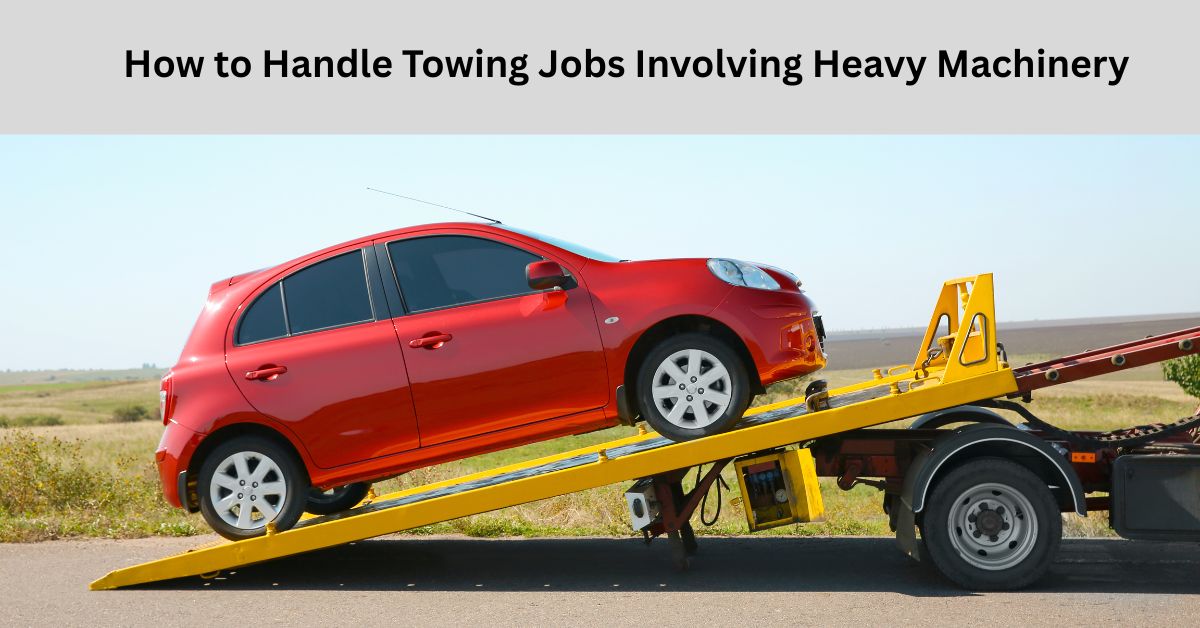
Proper loading and securing techniques are essential for heavy machinery towing. Operators must carefully position the equipment on trailers or flatbeds, ensuring balance and stability. Hydraulic lifts, ramps, and winches are used to raise or pull machinery onto transport vehicles without causing structural damage.
Once loaded, machinery must be secured with tensioned straps, chains, and blocks to prevent shifting during transit. Maintaining a low center of gravity and evenly distributing weight reduces the risk of tipping or accidents. Skilled operators adjust towing techniques based on terrain, distance, and vehicle type, ensuring that heavy equipment reaches its destination safely.
Safety Considerations and Compliance
Safety is a paramount concern when towing heavy machinery. Operators must follow strict safety protocols, including wearing protective gear, maintaining safe distances, and using warning signals to alert nearby workers or motorists. Transporting oversized loads often requires compliance with legal regulations, including permits, escort vehicles, and route planning.
Tow companies must also consider mechanical stress on both the machinery and the tow truck. Regular inspections of towing equipment, trailers, and securing devices reduce the risk of failure during transit. Adhering to safety standards and legal requirements protects operators, machinery, and the public from potential hazards.
Training and Professional Expertise
Handling heavy machinery towing jobs demands specialized training and expertise. Operators must understand machine specifications, weight distribution, and safe loading practices. Experience with different types of equipment, from tracked vehicles to large agricultural machinery, ensures operators can adapt to various towing challenges.
Continuous professional development, including certifications and practical training, enhances safety and efficiency. Knowledgeable operators minimize the risk of accidents, prevent equipment damage, and provide reliable service for clients who depend on timely machinery transport. Investing in skilled operators is essential for towing companies that handle heavy machinery.
Conclusion
Towing heavy machinery is a specialized service that requires skill, equipment, and careful planning. Understanding the unique challenges, using the right tools, and following proper loading and safety procedures ensures that equipment is transported safely and efficiently. Tow truck operators with expertise in heavy machinery towing provide invaluable support for construction, agriculture, and industrial projects, minimizing downtime and protecting valuable assets. Professional handling of heavy equipment demonstrates the importance of experience, preparation, and precision in the towing industry.
Recent Comments