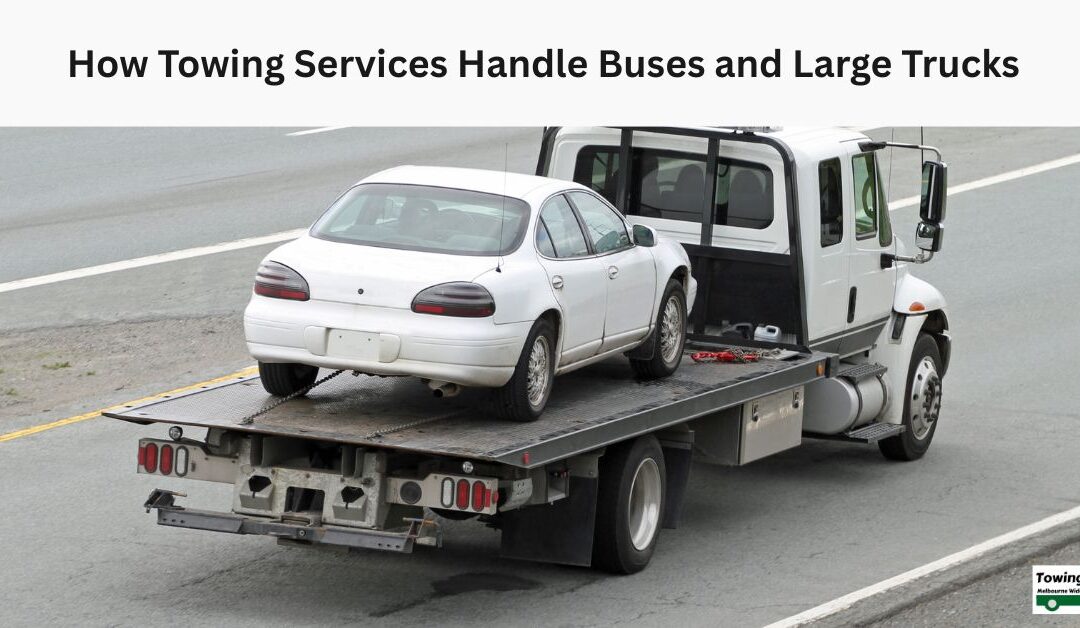
Towing large commercial vehicles such as buses and trucks is a complex operation that demands strength, expertise, and advanced equipment. These heavy-duty tows require strategic planning and specialized machinery to ensure safety on the road.
1. Heavy-Duty Tow Trucks and Equipment
Heavy-duty towing involves powerful tow trucks equipped with reinforced booms, winches, and air brake systems. These trucks can handle vehicles weighing several tons while maintaining balance and control.
2. The Skill and Training of Operators
Towing large vehicles isn’t for beginners. Operators undergo specialized training to understand balance points, weight distribution, and how to secure massive vehicles without causing damage. Their skill ensures safety throughout the operation.
3. Safety and Road Precautions
When towing buses or trucks, safety protocols include using escort vehicles, flashing lights, and warning signs. Routes are planned to avoid low bridges, narrow roads, or steep inclines. Proper signaling helps prevent road hazards.
4. Managing Breakdowns and Accidents
Heavy-duty towing services are often called after severe breakdowns or accidents. Operators must stabilize the vehicle, clear debris, and safely recover it without blocking traffic. Their quick action minimizes disruption and restores road safety.
5. Conclusion
Towing large vehicles requires specialized skills, equipment, and careful coordination. Professional heavy-duty towing services ensure that even the biggest breakdowns are managed efficiently and safely, keeping roads clear and businesses moving.
Contact us
Towing Melbourne Wide
4/10 Auburn Grove
Hawthorn East VIC 3123
(03) 9956 1908
Recent Comments