Tow truck drivers play a vital role in road safety and emergency response. They are responsible not only for towing vehicles but also for ensuring the safety of drivers, passengers, and other road users during breakdowns, accidents, and hazardous situations. This responsibility demands more than just driving skills—it requires professional training, technical knowledge, and strict adherence to safety protocols. Proper tow truck driver training ensures that every job is handled efficiently, safely, and with respect for both the vehicle and its owner.
Ensuring Road and Public Safety
A poorly trained tow truck driver poses a significant risk on the road. Misjudged manoeuvres, improper vehicle loading, or a lack of understanding of traffic dynamics can lead to serious accidents. Proper training equips drivers with the skills needed to safely operate heavy tow vehicles, manage dangerous roadside scenarios, and coordinate with other vehicles on busy roads. They learn how to set up warning triangles, use hazard lights, and position the tow truck to protect stranded motorists. Safety training also includes handling breakdowns on highways, sharp turns, and narrow streets—situations where one mistake can have severe consequences.
Proper Use of Equipment and Techniques
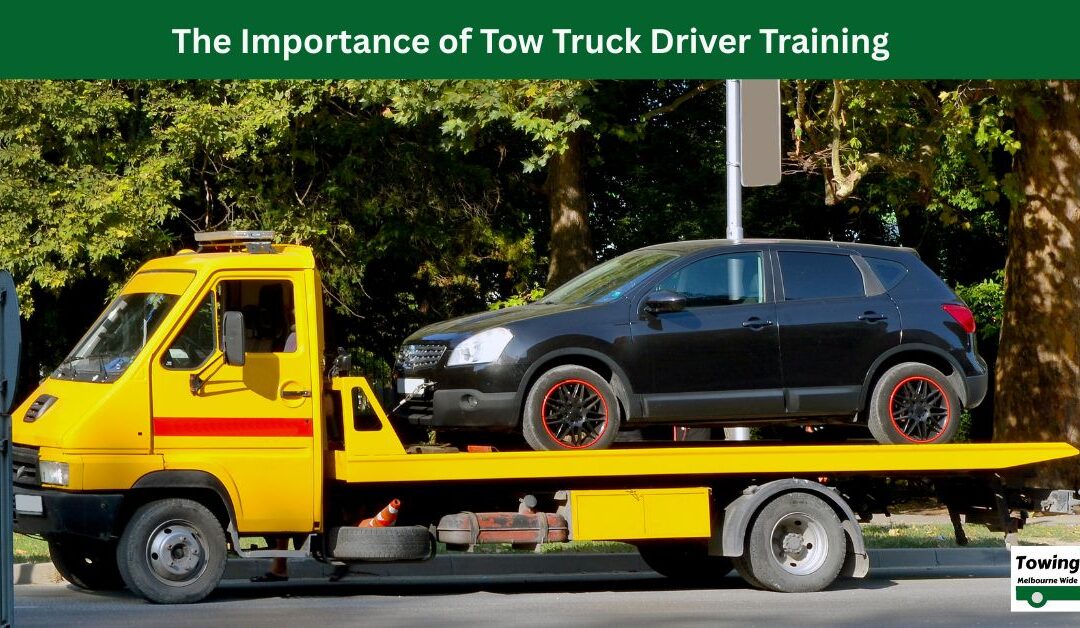
Towing is not simply hooking a vehicle to a truck and driving away. Different vehicles require specific towing methods. For example, all-wheel-drive vehicles must be lifted entirely off the ground to avoid transmission damage, while electric and luxury cars need soft straps and frame-friendly equipment to prevent scratches or dents. Trained drivers understand how to use wheel lifts, flatbeds, chains, and tie-downs appropriately based on the vehicle type. They are also taught winching techniques for vehicles stuck in mud, snow, or ditches. This technical knowledge prevents further damage to the vehicle and ensures the towing process is both safe and efficient.
Customer Interaction and Professional Conduct
Tow truck drivers often deal with customers who are stressed, upset, or frightened due to accidents or breakdowns. Proper training includes customer service skills, teaching drivers how to communicate calmly, provide clear explanations, and offer reassurance. A trained operator knows how to handle disputes, respond respectfully to aggressive behaviour, and maintain professionalism in difficult situations. This level of conduct builds trust between towing companies and the public. Drivers also learn ethical practices, such as avoiding unnecessary charges and respecting customer property, which further enhances the company’s reputation.
Compliance with Legal and Industry Regulations
Tow truck operators must follow strict legal guidelines related to roadside operations, licensing, insurance, and vehicle handling. Training ensures drivers are aware of local towing laws, such as the proper procedure for removing illegally parked cars, managing police-directed tows, and cooperating with traffic authorities. Many regions require tow truck drivers to hold a special certification or meet minimum training standards before operating professionally. Trained drivers also understand weight limits, secure load regulations, and the documentation needed for vehicle impound or transport. Compliance with these laws protects the company and the driver from legal disputes and liability claims.
Handling Emergency and High-Risk Situations
Tow truck drivers are often the first responders at accident scenes and must be prepared to act quickly in dangerous conditions. Training covers how to assess accident scenes, deal with leaking fluids, fire risks, and hazardous materials. Drivers learn how to work alongside police, paramedics, and firefighters without interfering with rescue efforts. In some incidents, they may need to extract crashed vehicles from precarious positions, such as embankments, guardrails, or intersections. Without proper training, a driver could worsen the situation, cause additional damage, or put lives at risk. Through specialised instruction, they learn calm decision-making, hazard assessment, and controlled recovery techniques.
Conclusion
Tow truck driver training is essential for maintaining safety, professionalism, and efficiency in the towing industry. Well-trained operators protect lives, vehicles, and roadways by following proper procedures and executing their duties with skill and care. They ensure every tow is completed safely, whether it involves a simple breakdown or a complex accident recovery. Training also strengthens customer trust, legal compliance, and company reputation. In an industry that deals with emergencies and high-risk environments, training is not an option—it is a necessity. A towing company that invests in driver training invests in safety, reliability, and exceptional service.
Contact us
Towing Melbourne Wide
4/10 Auburn Grove
Hawthorn East VIC 3123
(03) 9956 1908
Recent Comments