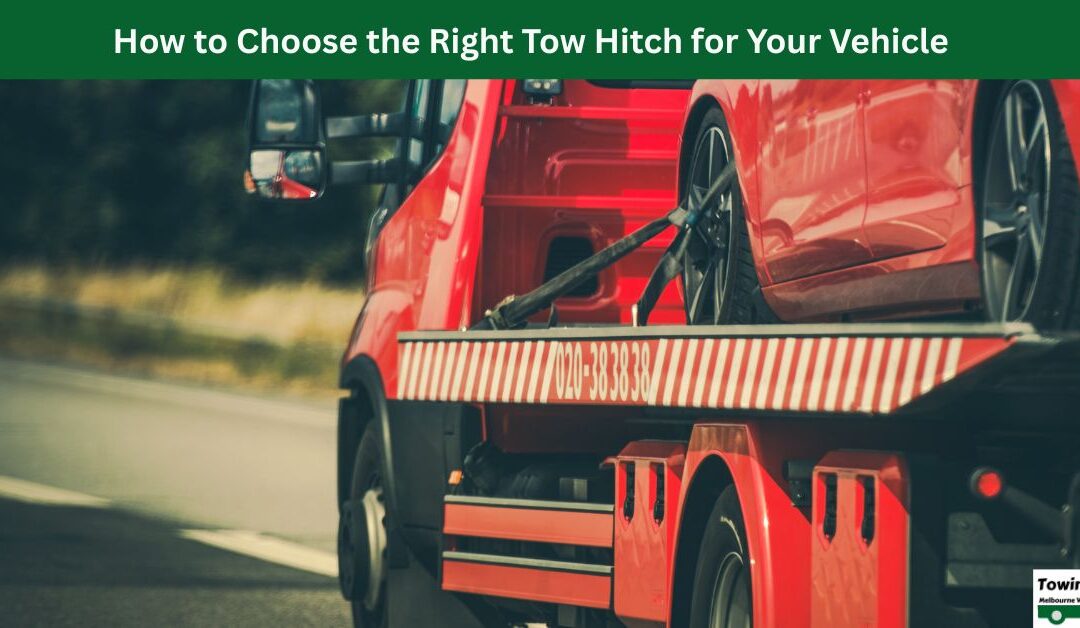
Choosing the right tow hitch is one of the most important steps for anyone planning to tow safely. Whether you are hauling a small trailer, transporting a boat, or pulling a caravan across long distances, the tow hitch is the foundation of your towing setup. The wrong hitch can lead to unsafe driving, damage to your vehicle, and unnecessary stress on both the car and the trailer. Selecting the right one requires understanding hitch classes, your vehicle’s towing capacity, and the specific demands of what you plan to tow.
Understanding Tow Hitch Classes
Tow hitches are categorized into different classes based on the weight they can safely handle. These classes, ranging from Class I to Class V, are designed to accommodate different vehicles and towing requirements. Smaller cars often use Class I hitches, which are ideal for light-duty towing such as bike racks or small trailers. Larger vehicles, such as SUVs and trucks, typically require Class III or higher, capable of pulling boats, caravans, or heavy equipment.
Choosing the right class ensures that the hitch matches your vehicle’s structural design and capacity. Using a hitch that is too small for your towing needs can result in dangerous situations, such as swaying trailers or structural damage. On the other hand, using an unnecessarily large hitch can add weight and complexity without providing extra safety. Matching your towing needs with the appropriate hitch class is the first step toward safe and efficient towing.
Matching Hitch to Vehicle Towing Capacity
Every vehicle has a towing capacity, which represents the maximum weight it can safely tow. This figure, provided by the manufacturer, takes into account the vehicle’s engine power, transmission, suspension, and braking capabilities. Choosing a tow hitch that exceeds your vehicle’s rated towing capacity does not increase the vehicle’s capability, and attempting to tow beyond this limit is unsafe.
To make the right decision, vehicle owners must review their car’s manual and determine the Gross Trailer Weight (GTW) and Tongue Weight (TW) limits. The GTW is the total weight of the trailer and its contents, while the TW refers to the downward force exerted on the hitch by the trailer. A safe and balanced towing experience requires both numbers to be within the manufacturer’s limits. By aligning the hitch’s rating with your car’s towing specifications, you reduce the risk of mechanical strain, overheating, or brake failure.
Considering the Type of Trailer or Load
The type of trailer or load you intend to tow significantly influences the choice of hitch. For light recreational uses such as small utility trailers or bike racks, a basic Class I or II hitch is sufficient. However, for campers, boats, or horse trailers, higher-class hitches are necessary to handle the additional weight and stability requirements.
Specialized trailers may require specific hitch designs, such as gooseneck or fifth-wheel hitches, which are mounted in the bed of pickup trucks. These hitches provide greater stability for heavy loads and are commonly used in agriculture, construction, or for large RVs. By evaluating the nature of your trailer, its weight, and its purpose, you can select a hitch that provides the right level of security and performance.
Installation and Safety Considerations
Installing a tow hitch is not as simple as attaching a metal piece to the back of your car. Proper installation requires precision, the right tools, and an understanding of your vehicle’s frame. Professional installation is often recommended to ensure that the hitch is securely mounted and that the electrical wiring for trailer lights is correctly connected.
Safety considerations also extend beyond installation. Routine inspections of the hitch, trailer coupling, and wiring are essential to avoid problems on the road. Rust, wear, or loose bolts can compromise towing safety. Vehicle owners should also practice proper weight distribution, ensuring that the load is balanced and the trailer does not sway. Investing in quality hitch accessories, such as sway control devices or weight distribution systems, can further enhance safety and handling.
Long-Term Value and Maintenance
A high-quality tow hitch is a long-term investment that can serve for many years with proper care. Regular maintenance, including lubrication of moving parts, inspection of electrical connections, and cleaning to prevent rust, ensures the hitch remains in optimal condition. Choosing a hitch made from durable materials, such as powder-coated steel, adds longevity and protects against the elements.
Vehicle owners should also be mindful of how often they tow and the conditions in which they do so. Frequent towing of heavy loads requires more rigorous maintenance than occasional light-duty towing. By treating the tow hitch as an integral part of the vehicle, drivers can avoid unexpected breakdowns and ensure consistent towing performance.
Conclusion
Selecting the right tow hitch is about more than just convenience—it is about safety, efficiency, and protecting your vehicle. By understanding hitch classes, respecting your vehicle’s towing capacity, and considering the type of load you intend to haul, you can make a choice that ensures safe and reliable performance. Professional installation and ongoing maintenance add further assurance that your towing setup will perform when needed.
The right tow hitch allows drivers to tow with confidence, knowing their vehicle, trailer, and cargo are secure. Whether you are heading out for a family holiday with a caravan, transporting equipment for work, or simply moving a small trailer, choosing and maintaining the correct hitch is a fundamental part of responsible towing.
Contact us
Towing Melbourne Wide
4/10 Auburn Grove
Hawthorn East VIC 3123
(03) 9956 1908
Recent Comments