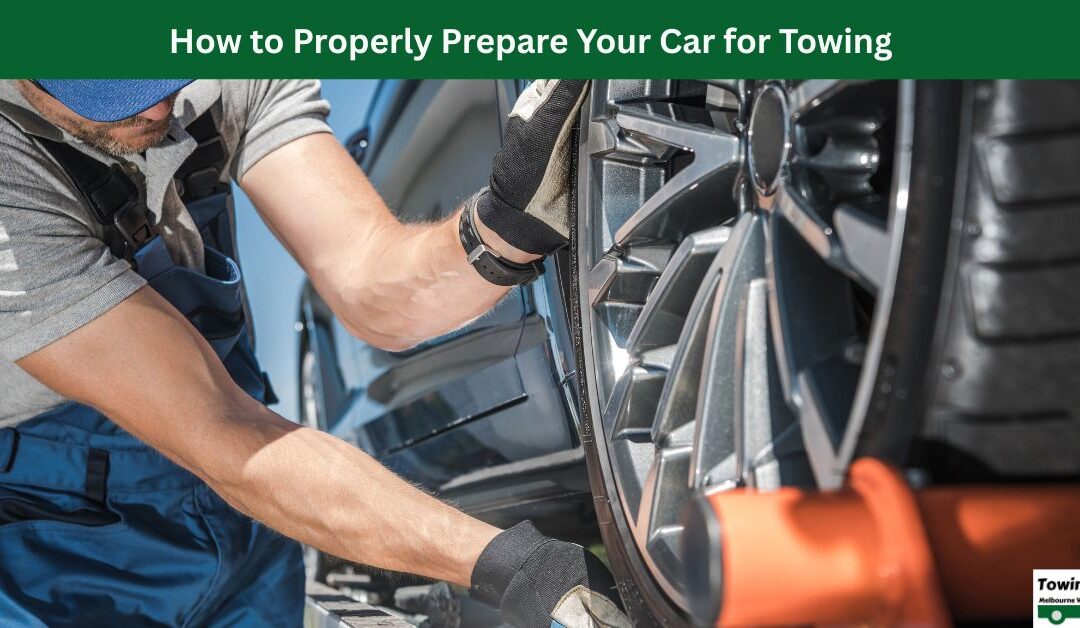
Towing a vehicle may seem simple at first glance, but preparation is essential to ensure the process is safe and damage-free. Whether your car is being moved due to a breakdown, a long-distance relocation, or a transport to a repair shop, proper preparation can make a significant difference. Many car owners overlook the small yet crucial steps that help prevent mechanical issues, cosmetic damage, and even legal problems during towing.
Understanding how to prepare your car for towing is not only about protecting the vehicle but also about making the tow easier and safer for everyone involved. From securing loose components to understanding towing equipment, taking the time to prepare properly ensures a smooth experience.
Understanding Your Vehicle’s Towing Requirements
Before doing anything, it is essential to understand your vehicle’s towing requirements. Different cars, trucks, and SUVs have varying weight capacities, drive types, and towing restrictions. Some vehicles, particularly those with front-wheel drive or all-wheel drive, may require special handling to avoid damage to the transmission or drivetrain.
Your vehicle’s owner manual is the best place to start. It contains critical information on whether your car can be towed with its wheels on the ground, whether it requires a flatbed, or if specific towing accessories are recommended. Ignoring these requirements can lead to serious mechanical damage or void your warranty. Proper knowledge of your car’s limitations ensures you select the right towing method and equipment.
Securing Loose Parts and Accessories
Vehicles often have exterior and interior components that can be damaged during towing if not properly secured. This includes items like antennas, side mirrors, spoilers, and loose trim pieces. Even small items can be knocked off or scratched during loading, transport, or unloading.
Before towing, remove or secure any removable parts. Windows should be rolled up, and sunroofs closed to prevent water or debris from entering the vehicle. Inside the car, loose objects should be cleared from the seats, dashboard, and trunk. This includes tools, personal belongings, or items that could move around and damage the interior. Taking the time to secure both exterior and interior components reduces the risk of preventable damage.
Checking Fluids, Tires, and Brakes
A properly prepared car for towing should have all essential systems in good condition. Tires need to be inflated to the recommended pressure to prevent blowouts or uneven wear during transport. Underinflated or damaged tires can cause the car to sway or behave unpredictably when on a tow truck.
Fluid levels also matter, especially for vehicles being towed with wheels on the ground. Transmission, brake, and coolant levels should be checked and topped off if necessary. If your vehicle will be flatbed towed, ensuring fluids are secure and there are no leaks is still important to prevent spills that could damage the tow truck or road. Brakes should also be inspected. While towing companies typically have control over the vehicle’s movement, functioning brakes provide an added layer of safety.
Choosing the Right Towing Equipment
Selecting the correct towing equipment is critical to preventing damage. Not every tow truck, hitch, or tow bar is suitable for every vehicle. Cars with low clearance or sports vehicles may require a flatbed to avoid scraping the undercarriage, while trucks or SUVs might tolerate a wheel-lift tow.
For longer distances, flatbed towing is often the safest option because the vehicle remains entirely off the road. Wheel lifts and tow bars are sometimes used for short distances or emergencies, but these methods carry a higher risk of transmission or suspension damage if not handled properly. Ensuring the towing equipment matches your vehicle’s needs protects both the car and the towing company from potential problems.
Communicating with the Towing Operator
Proper preparation also involves communication with the towing company. Inform the operator of any special considerations such as low clearance, aftermarket parts, or mechanical issues. If the car has been modified, has unique attachments, or contains fragile components, the tow truck operator needs to know in advance.
Clear communication helps operators plan the safest loading and transport process. Experienced tow truck drivers rely on information from the vehicle owner to avoid surprises that could lead to damage or delays. Providing details about the destination, any obstacles along the route, and the vehicle’s condition makes the towing process smoother and more efficient.
Final Checks Before Towing
Before your car is lifted or hitched, perform a final inspection. Ensure all doors, windows, and trunks are securely closed. Confirm that straps, chains, or towing cables are properly attached and not causing undue pressure on any parts of the car. Remove any loose items from the interior and check that tires, brakes, and fluid levels are correct.
Taking these final steps ensures that the vehicle is fully prepared for transport. A well-prepared car reduces stress for both the owner and the tow truck operator and minimizes the risk of unexpected issues during the journey.
Conclusion
Properly preparing your car for towing is essential for a safe and damage-free transport experience. Understanding your vehicle’s towing requirements, securing loose parts, checking tires, brakes, and fluids, selecting the right equipment, and communicating effectively with the towing company all contribute to a smooth process.
While towing may be unavoidable in some situations, preparation ensures that your car remains in the same condition throughout the journey. By following these steps, vehicle owners can protect their investment, reduce stress, and make the towing process efficient for everyone involved. Whether moving your car a few miles or across the city, careful preparation is the key to a successful tow.
Contact us
Towing Melbourne Wide
4/10 Auburn Grove
Hawthorn East VIC 3123
(03) 9956 1908
Recent Comments