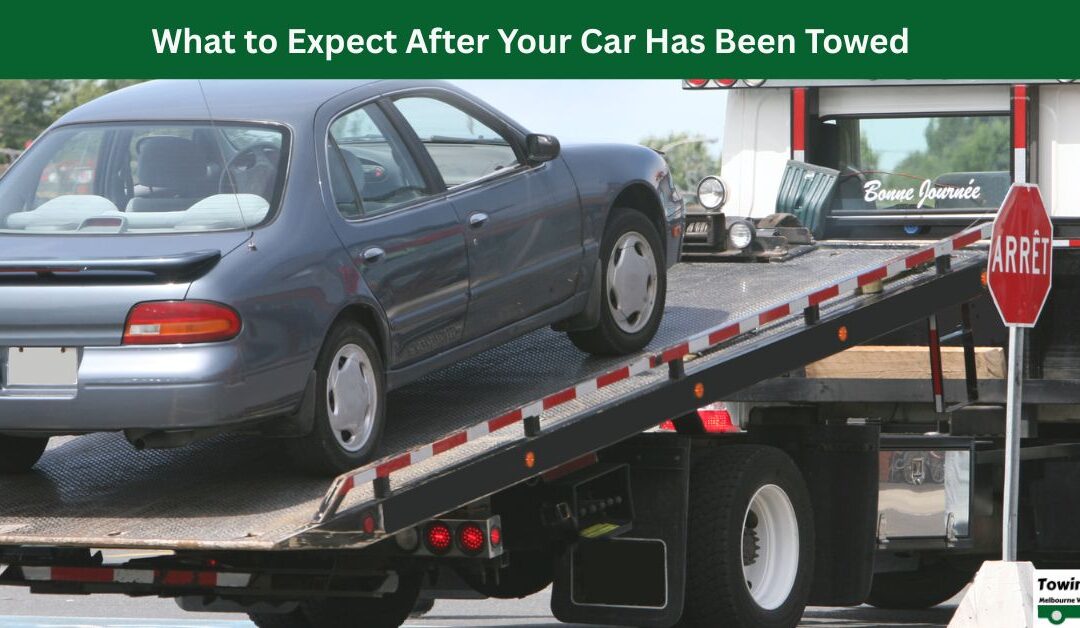
Having your car towed is a stressful experience for any vehicle owner. Whether it happened due to a breakdown, parking violation, accident, or other circumstances, the aftermath often involves uncertainty, frustration, and questions about the next steps. Understanding what to expect after your car has been towed can reduce stress, help you navigate the process smoothly, and ensure that you retrieve your vehicle safely and legally.
From identifying the towing company and location to dealing with fees, documentation, and potential damage, knowing the procedures ahead of time allows drivers to respond confidently and avoid unnecessary complications.
Identifying Who Towed Your Vehicle
The first step after discovering your vehicle has been towed is to identify which company or authority removed it. In many cities, including Melbourne, towing companies must leave a notice in the area where the vehicle was taken. This notice typically includes contact information for the towing company, the reason for the tow, and the location where the vehicle is stored.
If no notice is left, vehicle owners can contact local authorities such as the city council, police, or parking enforcement office to determine which company conducted the tow. Promptly identifying the responsible party ensures that you can begin the process of retrieving your car without delay and helps clarify why your vehicle was removed in the first place.
Understanding the Reason for the Tow
Knowing why your car was towed is crucial for understanding the next steps. Common reasons include illegal parking, expired registration, involvement in an accident, obstruction of traffic, or mechanical breakdown requiring removal. In some cases, cars are towed by authorities due to a police order or as part of a road safety operation.
Understanding the reason for the tow can help you determine what documentation you will need, whether any fines apply, and how long you may need to wait before your vehicle can be retrieved. It also provides context if you wish to dispute the tow, as some situations may be avoidable or challengeable under local laws.
Retrieving Your Vehicle
Once you have identified the towing company and reason for the tow, the next step is retrieving your car. This usually involves visiting the towing facility in person, providing proof of ownership, and paying any applicable fees. Documentation such as a driver’s license, vehicle registration, and insurance information is typically required to confirm your identity and ownership of the vehicle.
The process is designed to ensure that vehicles are released only to the rightful owner or an authorized representative. While fees and procedures vary depending on the towing company and circumstances of the tow, prompt action often helps reduce additional storage charges that can accrue daily.
Fees and Charges
Towing fees can vary widely depending on the situation. Standard charges often include the cost of the tow itself, storage fees for each day the vehicle remains at the facility, and any administrative fees associated with documentation or release. If your vehicle was towed due to a parking violation or legal infraction, fines may also apply.
It is important to review receipts and invoices carefully and ensure that all charges are legitimate. If you believe fees are incorrect or excessive, most towing companies provide a process for contesting the charges, which typically involves presenting evidence such as photographs or documentation of the vehicle’s condition and location.
Inspecting Your Vehicle for Damage
After your car has been towed, it is essential to inspect it for any damage that may have occurred during the process. Even with professional towing services, there is a small risk of scratches, dents, or mechanical issues. Checking the vehicle immediately allows you to document any damage while the towing company is still responsible for its safe transport.
Take detailed photographs of the exterior and interior of your car, noting any scratches, dents, or other issues. If damage is found, report it to the towing company as soon as possible and provide the documentation. Many companies have insurance coverage that protects vehicle owners in the event of towing-related damage, but timely reporting is usually a requirement for claims.
Disputing a Tow
In some situations, vehicle owners may feel their car was towed unfairly or illegally. Disputes can arise due to unclear signage, improper notice, or mistakes in enforcement. Understanding the local regulations and procedures for contesting a tow is important in these cases.
In Melbourne, disputes may be handled through the towing company, municipal authorities, or an independent review board. Presenting evidence such as photographs, registration documents, or witness statements strengthens your case. While disputes do not guarantee a fee waiver, they provide an opportunity to challenge unjust actions and seek reimbursement where appropriate.
Planning Ahead to Avoid Future Tows
Experiencing a tow can be stressful, but it also provides an opportunity to learn and prevent future incidents. Pay attention to parking regulations, ensure your registration and permits are up to date, and always look for clear signage before leaving your vehicle. Understanding common reasons for towing in your area helps you take preventive measures and reduce the likelihood of another incident.
Regular vehicle maintenance and awareness of local parking rules are key steps in protecting your car from unnecessary tows. Being proactive not only saves money but also ensures peace of mind and avoids the inconvenience of dealing with towing companies and fines.
Conclusion
Having your car towed is never an enjoyable experience, but knowing what to expect can make the process more manageable. From identifying the towing company and understanding the reason for the tow to retrieving the vehicle, paying fees, inspecting for damage, and disputing charges if necessary, each step is important for ensuring a smooth resolution.
By following proper procedures and staying informed, drivers can navigate towing situations with confidence, protect their vehicles, and reduce stress. Learning from the experience also helps prevent future towing incidents, keeping your car safe, legal, and under your control. Understanding the process after a tow is essential for every vehicle owner, providing clarity and reassurance when unexpected events occur.
Contact us
Towing Melbourne Wide
4/10 Auburn Grove
Hawthorn East VIC 3123
(03) 9956 1908
Recent Comments